

1. Understanding The Purpose Of A Tail Light
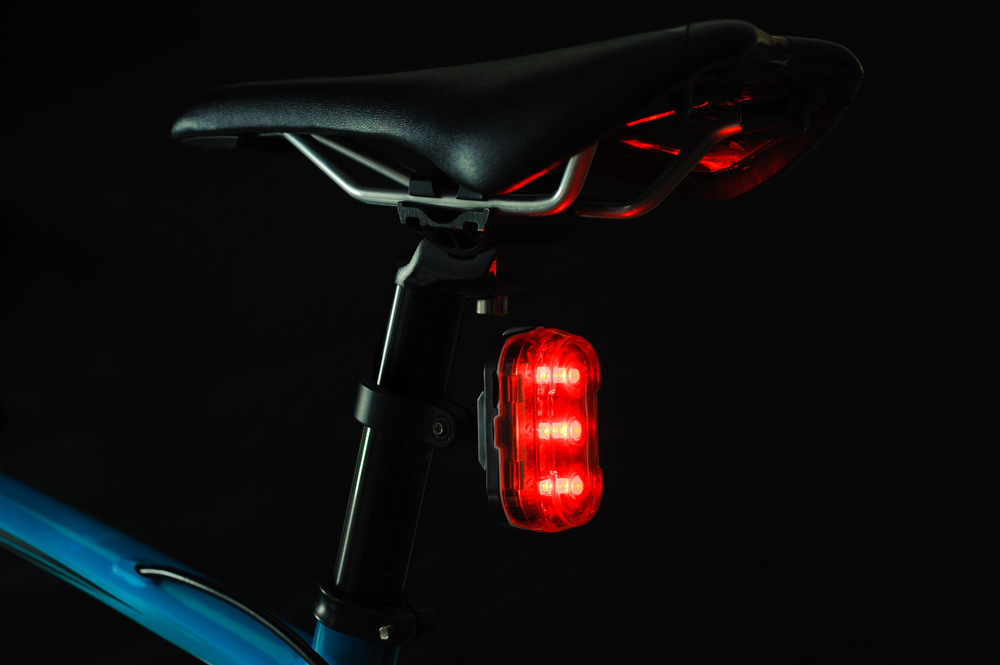
A tail light is one of the most important safety features on any bike, yet many riders overlook its role until they face a close call on the road. At its core, a tail light increases your visibility to drivers, pedestrians, and other cyclists. During low-light conditions—such as dawn, dusk, and nighttime—the human eye does not detect motion or color as effectively. A bright tail light compensates for this limitation by creating a visual alert behind your bike.
Cyclists often assume that streetlamps or reflective gear offer enough visibility. However, studies show that active lighting such as a bike rear light dramatically improves detection distance. The more quickly a driver identifies a cyclist, the more time they have to react and adjust their path. Therefore, investing in a high-quality tail light is not just an accessory purchase; it is a long-term safety commitment every rider should prioritize.
Modern lights offer multiple modes such as steady beams, pulsing patterns, and ultra-bright LEDs. Understanding how each mode interacts with environmental conditions helps you choose the most appropriate setting. In general, pulse or flash modes are ideal for drawing attention, while steady modes work best in group rides or heavy traffic where overly bright flashes may distract others.
2. Choosing The Right Type
Selecting the right tail light requires evaluating brightness, battery life, mounting style, and durability. Brightness is measured in lumens, and higher output levels ensure visibility from greater distances. While 20–30 lumens may be adequate for urban streets, rural or low-traffic areas may require 50 lumens or more. If you frequently ride at night, you may choose a tail light with 100 lumens or adjustable brightness settings.
Battery type also influences long-term usability. USB-rechargeable tail lights have become the standard, offering convenience and eco-friendliness. Some models include fast charging or extended battery modes designed for multi-hour rides. Riders who tour long distances may benefit from lights with replaceable batteries, ensuring illumination even when electricity access is limited.
Mounting style affects how secure your tail light remains during your ride. Seatpost mounts are the most common, but seatstay mounts, saddle mounts, and helmet mounts are also available. The right choice depends on your bike frame and personal preference. A well-positioned tail light should sit at eye level of approaching drivers whenever possible. If your seatpost angle is unusually steep, choose a tail light with an adjustable mount to achieve the proper beam direction.
Durability is particularly important for commuters who ride in rain, dust, and rough terrain. Look for IPX4 or higher water-resistance ratings. Some advanced models even include impact-resistant casings to withstand minor drops or vibrations from gravel paths.
3. Key Features To Look For
Technology has transformed the simple tail light into a multi-functional safety device. Many modern lights now incorporate sensors that respond to your riding behavior. For example, brake-sensing lights brighten when you slow down, mimicking the brake lights of cars and offering drivers an intuitive cue to reduce speed.
Another helpful feature is motion activation. A motion-activated tail light turns on automatically when your bike moves and powers down when idle, conserving battery life while ensuring you never forget to activate your visibility. Some lights even connect to smartphone apps, enabling you to monitor battery levels, adjust modes, or analyze ride statistics.
Beam angle is another often-overlooked feature. A wider beam angle ensures visibility not only from behind but from the sides, reducing the risk of collisions from cross-traffic. Many premium tail lights now include a 270-degree or full 360-degree visibility design.
Runtime is essential for planning long rides. A tail light with at least 5–10 hours of runtime on medium mode is recommended for daily commuters. Flashing modes typically offer longer runtimes than steady options. For cyclists who frequently ride at night, investing in a high-capacity model with 20 hours or more of runtime provides consistent safety without constant charging.
4. How To Install And Position Your Tail Light Correctly
Proper installation ensures that your bike’s rear light performs as intended. Many cyclists unknowingly mount their lights too low, angled downward, or partially blocked by saddle bags or clothing. A tail light should be placed on a stable, centered mount where the beam projects horizontally toward approaching traffic.
Start by selecting a clean, dry section of your frame. Rubber strap mounts are easy to secure and adjust without tools, making them popular among commuters. Bolt-on mounts, while more permanent, provide superior stability on bumpy rides. After mounting, examine the light from behind your bike to confirm an unobstructed view.
Next, test your chosen mode. In heavy traffic, consider using a steady mode to avoid blinding other cyclists. On open roads, a flash or pulse mode increases contrast against the background. If your tail light has multiple intensities, adjust brightness according to your surroundings. Overly bright settings during group rides may irritate those behind you, while too-dim settings in rural areas reduce visibility.
Helmet-mounted lights offer additional visibility from a higher angle and follow your head movements. However, they should supplement—not replace—a primary bike rear light mounted on the bike itself. Multi-light setups are increasingly popular in high-traffic areas and can provide layered safety.
5. Maintenance And Long-Term Care
A tail light is only effective if it functions reliably. Regular maintenance significantly extends the lifespan of your device. Begin by checking battery levels before each ride and recharging when necessary. Allowing lithium-ion batteries to fully deplete repeatedly may reduce their long-term capacity. Instead, recharge at moderate intervals.
Clean the light lens periodically with a soft cloth and mild soap to remove dirt, road grime, and moisture buildup. A cloudy lens reduces brightness and may create uneven lighting patterns. Inspect the mount for cracks or looseness, as vibrations from rough roads can cause straps to stretch or bolts to loosen. Replace worn straps promptly to prevent losing your light during a ride.
Water damage poses one of the greatest threats to electronic bike lights. Even highly rated water-resistant models can accumulate moisture from prolonged exposure to heavy rain. After wet rides, remove the tail light, open any protective flaps, and allow it to dry thoroughly before recharging.
Finally, revisit your positioning every few months. Riders often modify seat height, add bags, or change saddles, unintentionally shifting the beam angle. Maintaining correct alignment ensures your tail light continues to serve its purpose effectively.
6. Safety Tips For Riding With A Tail Light
A tail light enhances your visibility, but proper riding habits amplify its effectiveness. Wear bright or reflective clothing to increase contrast. Combine your tail light with a front light, especially in dim conditions. Many accidents occur when cyclists assume that a rear-only light is sufficient; however, oncoming traffic also requires visibility cues.
Use multiple light modes strategically. A flashing mode during the day helps drivers notice you sooner, while a steady mode at night reduces glare. Consider using two tail lights—one in pulse mode and one in steady mode—for maximum visibility.
In addition, anticipate driver behavior. Even with a bright light, some drivers may misjudge distance or speed. Maintain predictable riding patterns and avoid sudden swerves. Use hand signals clearly and early.
7. Top Tail Light Recommendations For Different Riders
While this article does not include direct product links, it’s helpful to understand which types of lights suit different riding styles. Commuters benefit from long-runtime USB-rechargeable models with wide beam angles. Road cyclists often prefer lightweight, aerodynamic lights that attach cleanly to seatposts. Mountain bikers need rugged, impact-resistant options that withstand dirt and debris.
Touring cyclists may select tail lights with replaceable batteries for extended off-grid adventures. Riders who participate in night events or endurance rides often choose high-visibility models with multiple brightness levels and smart-sensor technology. Ultimately, the best tail light is one that integrates seamlessly into your riding habits and reliably enhances your safety.
Reference